
How to Start Your Own Skincare Line: Strategic Guide for 2026


How to Start Your Own Skincare Line: Strategic Guide for 2026


Building a profitable skincare line today requires more than attractive packaging and trending ingredients. The skincare industry is competitive, regulated, and increasingly sophisticated within the global beauty industry.
If you’re evaluating how to start your own skincare line, this guide explains how to create a structured, compliant, and scalable skin care business that can compete in the global skincare market.
Not medical advice. This article explains how to start your own skincare line for educational and informational purposes only. It does not describe how to use any cosmetic, and it is not medical, dermatological, legal, or regulatory advice. Talk to a qualified healthcare or skincare professional before using any skincare product, and consult qualified legal and regulatory advisors, along with the applicable regulations in your market, before manufacturing or selling one.
Define the Strategic Foundation
Before you create products, define the business.
Every successful skincare business begins with a clear brand mission, defined target audience, and realistic business plan. Without strategic clarity, even high-quality beauty products struggle to gain traction.
Ask yourself:
- What skincare needs are you solving?
- Which customers are you serving?
- What is your unique selling proposition?
Your unique selling proposition should clearly differentiate your skincare line from other beauty brands in the skincare industry and help you build a strong brand with long-term positioning.
Passion for formulation is important, but sustainable growth requires more than passion — it requires structure.

Key point: clarity protects margins.
Research the Skincare Industry and Identify Opportunity
Understanding the skincare industry is essential if you want to create a sustainable skincare line.
The goal of market research is not to copy competitors but to identify opportunity in the skincare market. Many founders attempt to start a skincare business without validating real customer demand or clearly defining their niche.
Research areas to evaluate
- Customer demographics and buying behavior
- Existing customers of competing brands
- Pricing structures in your segment
- Gaps in product packaging or positioning
- Trends shaping the skincare industry
In 2026, customers increasingly value skin longevity, ingredient transparency, and science-backed results. Identifying these patterns helps create products aligned with real skincare needs and specific skin types.
Define Your Skincare Brand and Positioning
Your skincare brand must communicate credibility and clarity.
Rather than trying to appeal to everyone, define your target market precisely. Sensitive skin? Acne-prone skin? Luxury natural skincare line?
Strong positioning influences:
- Visual identity
- Product packaging
- Tone of communication
- Sales channels
When you create a skincare brand with consistent identity and a compelling brand story, customers perceive professionalism and reliability. This foundation is essential when building your own skincare brand in a crowded marketplace.

Insight: positioning determines long-term success more than initial excitement.
Choose a Product Development Model
To create a professional skin care line, you must decide how your skincare products will be developed and manufactured.
Manufacturing options
- Custom formulation with cosmetic chemists
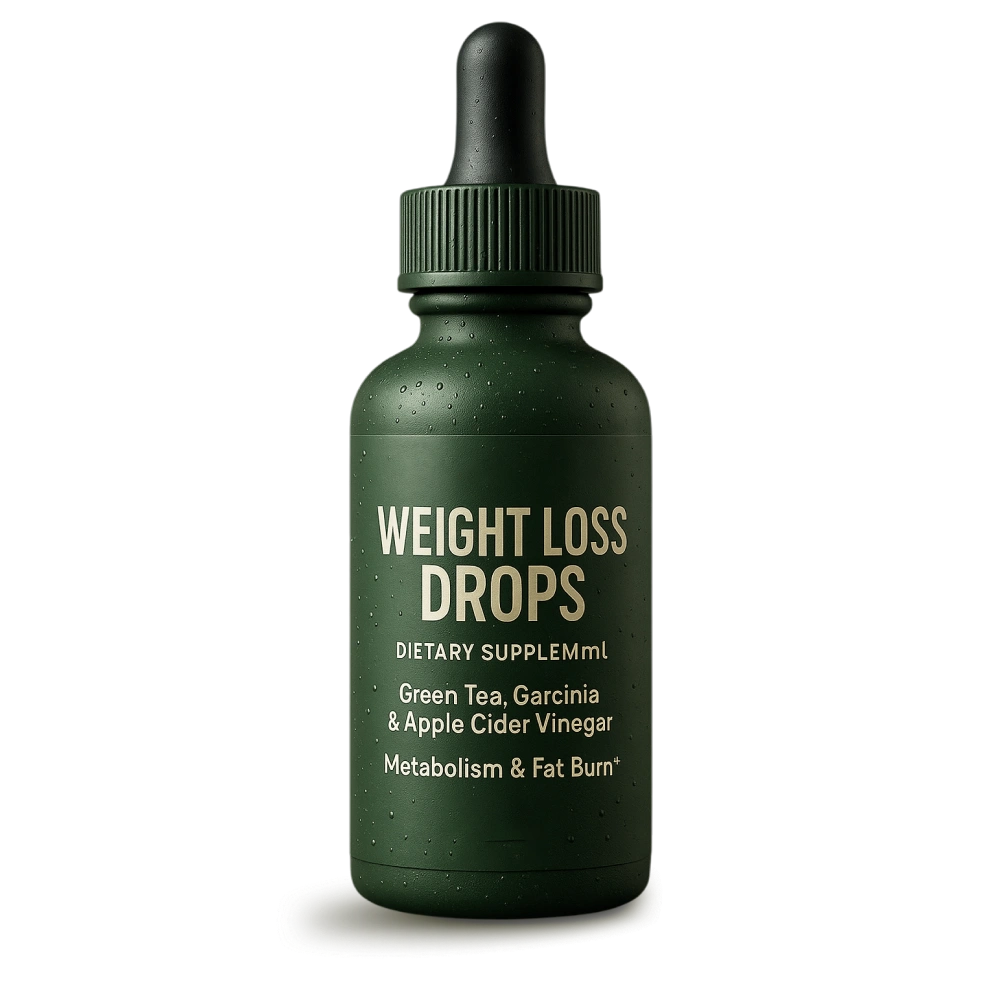
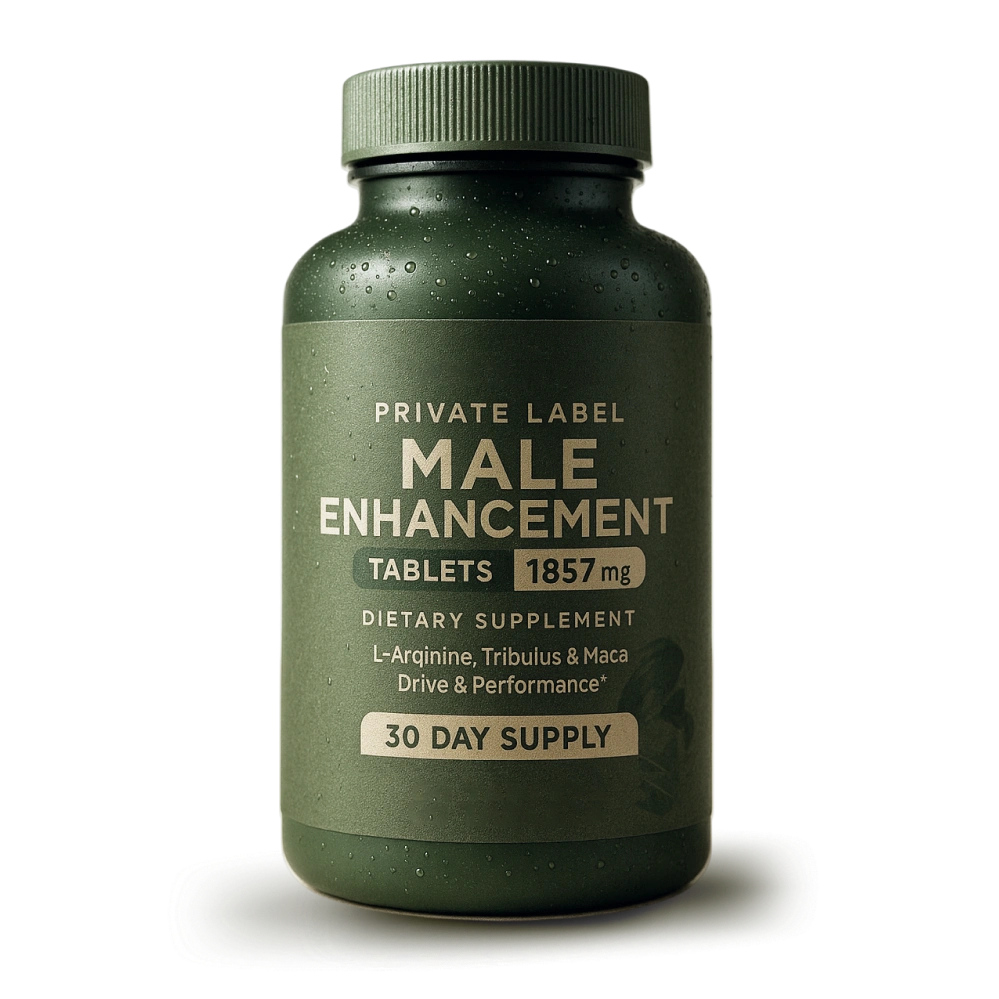
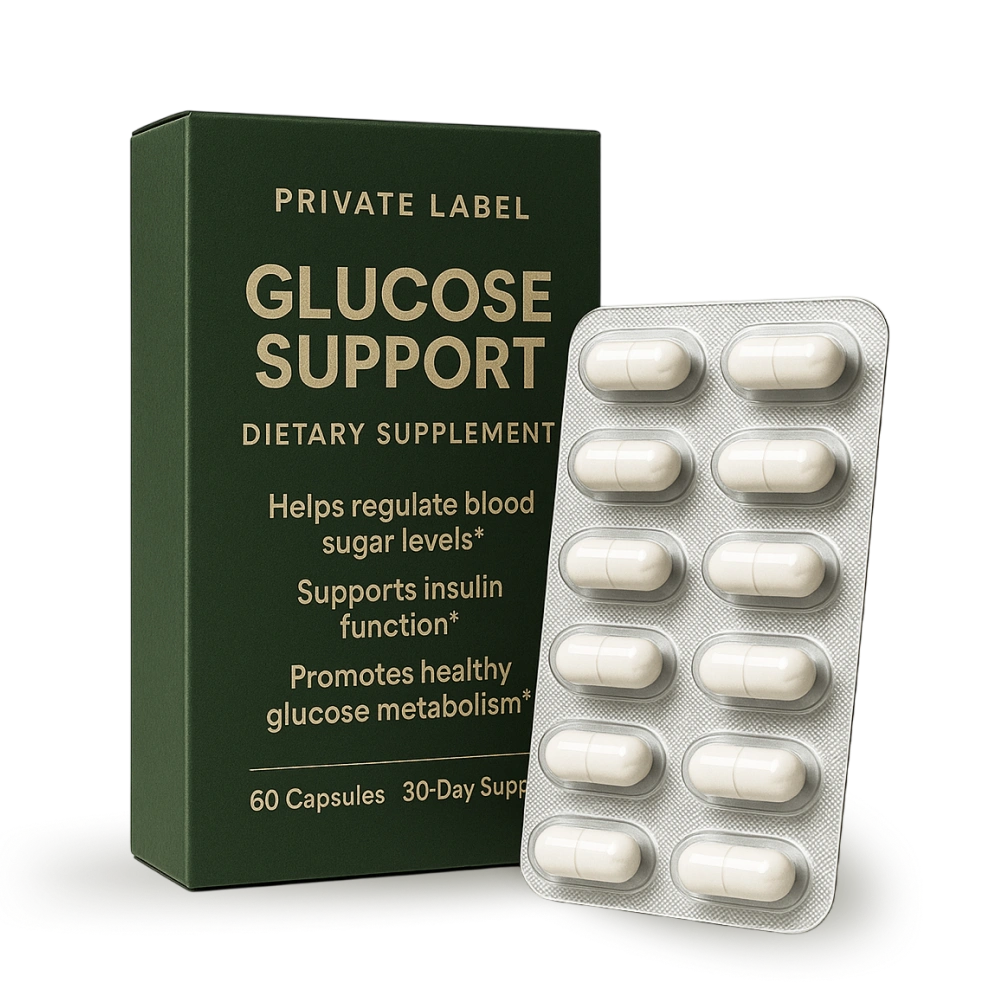
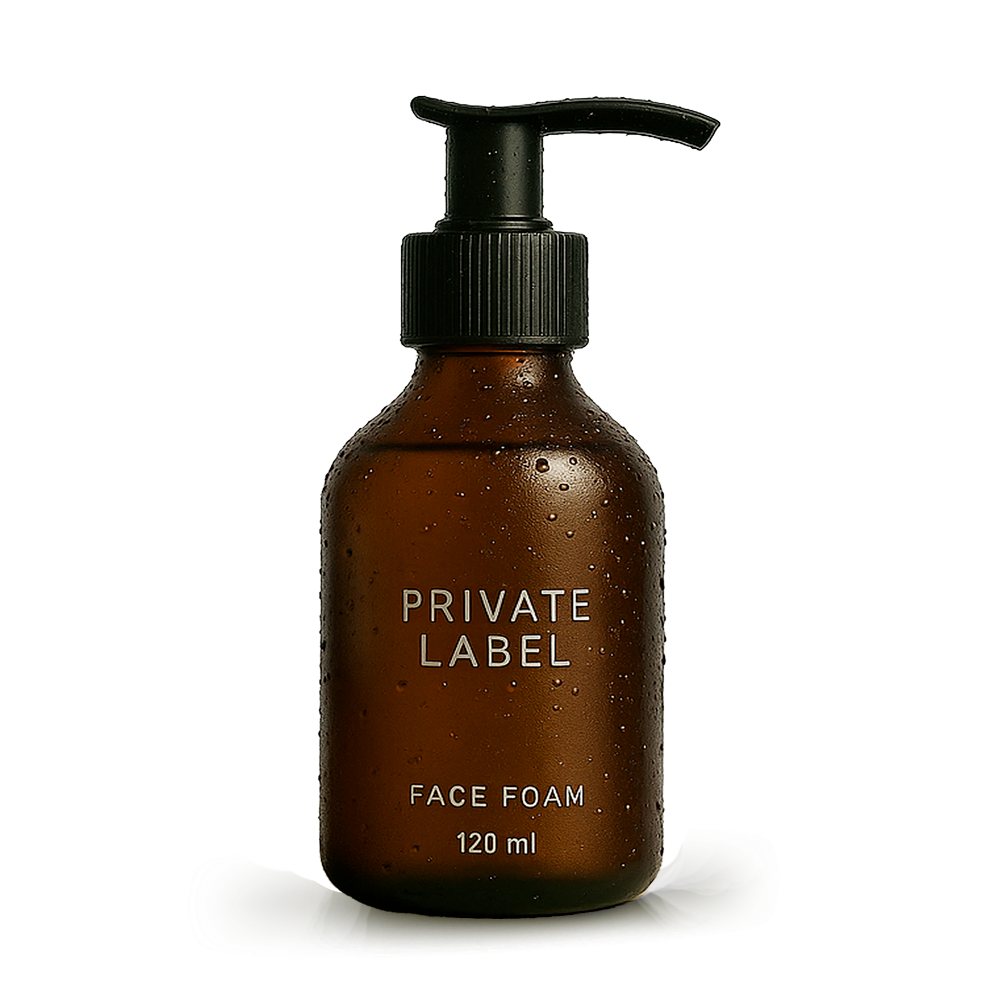
- Private label production
- White label solutions
- Partnership with a contract manufacturer
Private label allows faster entry with reduced development complexity. White label models help test demand in the skincare market. Custom development offers exclusivity but requires more research and investment.
Working with a reliable contract manufacturer and experienced industry experts ensures GMP standards, documentation, and regulatory alignment. This structure allows you to create products that scale safely and evolve into new products as demand grows.
Ingredient Selection, Stability, and Safety
Quality defines whether your skincare line becomes a successful business.
Carefully select natural ingredients or clinically validated actives aligned with your positioning. If building a natural skincare line, transparency around organic ingredients becomes central to trust.
Stability testing ensures product performance throughout shelf life. Safety testing confirms formulas do not cause adverse skin reactions. These steps are essential for meeting legal requirements and long-term customer confidence.
Professional development reduces returns, complaints, and reputational risk.
Legal Compliance and Regulatory Structure
Operating a skincare business requires strict legal compliance and awareness of evolving cosmetic regulations.
In the United States, the FDA regulates cosmetics and sets labeling standards. Accurate ingredient lists, usage instructions, and safety disclosures must appear on every product.
Core compliance elements
- Accurate product labels
- Documented safety testing
- Regulatory review of marketing claims
- Product liability insurance
- Trademark protection for the brand owner
Understanding cosmetic regulations and broader legal requirements strengthens credibility and reduces risk when expanding into local markets.
Startup Costs and Financial Planning
Launching a skincare line requires structured financial planning.
Startup costs vary widely depending on production model and scale. Some founders start a skincare project with a small budget using private label solutions, while others invest tens of thousands into custom development.
Key cost areas include
- Research and development
- Manufacturing costs
- Packaging
- Website creation
- Marketing plan execution
Pricing must reflect production costs and competitive positioning. In most cases, skincare products require a markup of 50–100% above COGS to maintain healthy margins.
Financial discipline determines whether your skincare business achieves long-term success.
Marketing Strategies and Customer Acquisition
A strong marketing plan turns a skincare line into a revenue-generating system.
Effective marketing strategies include SEO content, educational materials, influencer collaboration, and consistent engagement on social media platforms. Your website must be user friendly, especially if you plan to sell directly to consumers.
Building relationships with customers before and after launch increases retention. Email communication supports repeat sales and helps reach a wider audience over time.
To sell skincare successfully, focus on education, transparency, and clear messaging rather than aggressive promotion.
Key point: trust converts better than hype.
Structured Launch and Early Optimization
A structured launch reduces operational risk.
Before you launch, confirm:
- Regulatory documentation is complete
- Inventory aligns with projected demand
- Sales channels are operational
- Messaging aligns with brand positioning
A controlled launch allows you to collect feedback from customers and refine pricing or packaging decisions.
Skincare businesses that analyze early performance data adapt faster and improve conversion rates.
Scale Through Operational Expertise
As sales increase, operational complexity grows.
Working with an experienced contract manufacturer ensures consistent quality, documentation, and scalability. This is particularly important when expanding a skin care line into wider markets.
For brands looking to create custom cosmetics, expand private label programs, or develop a differentiated skincare line, manufacturing discipline becomes central to growth.
Merywood operates as a contract manufacturer specializing in cosmetics and skincare production under GMP standards. From R&D and custom formulation to private label and white label manufacturing, Merywood helps skincare brands create compliant, scalable beauty products ready for competitive markets.
By combining regulatory awareness, production expertise, and structured development, brands can transition from concept to long-term success more efficiently.
Understand Different Skin Types and Product Alignment
A scalable skincare line must address clearly defined skin types rather than generic positioning. Dry, oily, combination, acne-prone, sensitive, and mature skin all require different formulation logic.
If you attempt to create products for everyone, your messaging becomes diluted. Instead, focus on a specific segment and formulate accordingly.
Why skin-type clarity matters
- Improves product efficacy
- Strengthens brand positioning
- Simplifies marketing communication
- Builds trust with customers
Precise alignment between formula, claims, and target audience increases conversion rates and reduces return rates. This is especially important when entering competitive segments of the beauty industry.
Expand Through Data, Not Assumptions
Once your skincare line is established, expansion should be data-driven.
Rather than launching multiple new products immediately, analyze performance indicators such as repeat purchase rate, customer feedback, and margin structure.
Scaling too fast can strain manufacturing capacity and cash flow. Strategic growth focuses on operational discipline.
Signals that indicate readiness to scale
- Consistent monthly revenue
- Stable supplier relationships
- Positive customer retention
- Strong demand forecasting
Scaling through structured production and disciplined planning increases long-term success.
Final Thoughts
Understanding how to start your own skincare line requires balancing creativity with operational precision.
You must:
- Identify real skincare needs
- Create differentiated products
- Ensure legal compliance
- Structure pricing carefully
- Build trust with customers
- Select reliable sales channels
The skincare industry rewards brands that combine scientific credibility, disciplined manufacturing, and authentic communication.
Whether launching with a small budget or scaling into international markets, structured planning and experienced manufacturing partners like Merywood can significantly improve your chances of building a successful skincare business.