

Trending Skincare Products 2026


Trending Skincare Products 2026


The global skincare market is on track to hit USD 129 billion in 2026 and grow at a 7.3% CAGR through 2034 (according to Fortune Business Insights). But behind the headline number, the rules of what sells have shifted. Consumers in 2026 are less interested in novelty and more focused on function: barrier health, hydration, and routines that fit into real life without pushing skin too hard. Brands that are still built around harsh correction and aspirational marketing are losing ground to products designed for comfort, consistency, and long-term maintenance.
For B2B companies — founders, distributors, and contract manufacturing partners — this is more than a stylistic shift. It changes which categories deserve investment. The strongest commercial opportunities in 2026 are no longer about chasing viral ingredients. They sit at the intersection of proven consumer demand and credible formulation logic: barrier-focused care, modern actives with smarter delivery, post-procedure support, body care that borrows from face care, and disciplined biotech concepts.
Not medical advice. This article reviews skincare product trends for 2026 for educational and informational purposes only. It does not describe how to use any cosmetic, and it is not medical, dermatological, or regulatory advice. Talk to a qualified healthcare or skincare professional before using any new skincare product, and consult the applicable regulations in your market before manufacturing or selling one.
Why trending skin care products 2026 matter for B2B brands
The 2026 market is being shaped by buyers who are more informed, more selective, and less patient with empty claims. They want science-backed ingredients, excellent texture, and real product logic. This is true across prestige channels, direct-to-consumer brands, and the mass market.
For founders and distributors, that means trend research has to move beyond social media noise. A product may look exciting on beauty shelves, but that does not automatically make it a strong commercial bet. The real question is whether the formula answers a broad enough need, delivers a clear benefit, and can be manufactured with reliable safety, stability, and compliant performance claims.

Key Point: In 2026, the strongest launches are the ones that turn a beauty trend into a usable, repeat-purchase product.
The market shift from correction to prevention
A few years ago, much of the category was built around strong resurfacing, visible peeling, and classic anti-aging language. That approach has not disappeared, but it is no longer at the center stage of product development. Today, more brands are building around prevention, maintenance, and long-term skin health.
That shift can be seen in several areas:
- Barrier-led formulas designed to support microbiome and skin functions
- Fewer, better products inside one realistic skincare routine
- More attention to hydration, comfort, and tolerance across every skin type
- Stronger interest in post-treatment products linked to cosmetic treatments and cosmetic procedures
- Demand for formulas that help strengthen the skin instead of overwhelming it
This is one of the top skincare trends because it reflects a real change in how consumers think. They still want radiant skin, but they increasingly see that goal as the result of better maintenance, not more punishment.
The skin care philosophy behind the trends of 2026
The big idea behind the trends of 2026 is simple: healthy-looking skin starts with better daily support. Instead of asking how to erase everything at once, buyers are asking how to protect the barrier, reduce unnecessary irritation, and make room for continued growth through routines that actually feel sustainable.
Skin health, barrier health, and skin functions
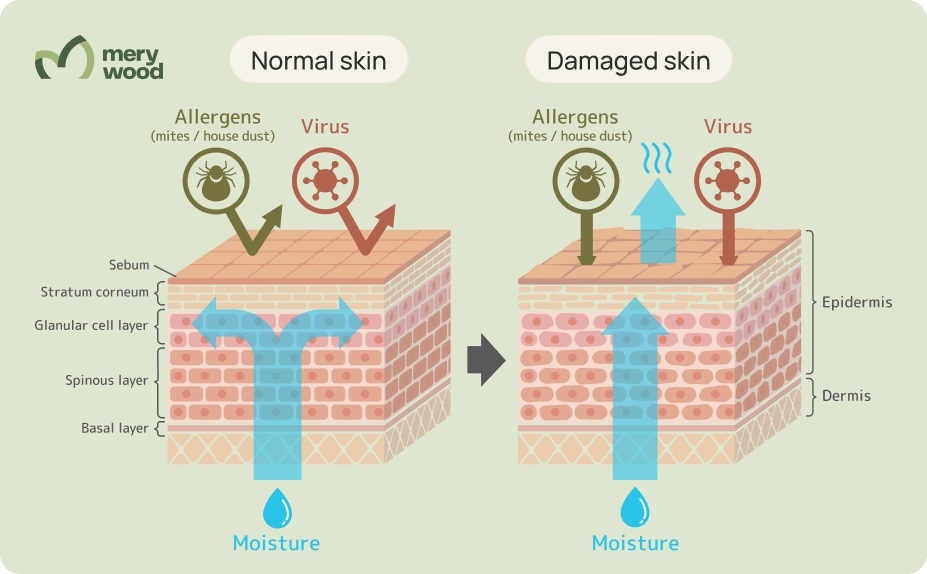
The language of skin health and barrier health has become central because consumers now understand that the skin is not just a surface to polish. It is a living system with its own microbiome, skin cells, defensive mechanisms, moisture balance, and biological skin functions that need support.
That is why so many high-interest launches focus on:
- Barrier repair
- Hydration and lipid support
- Defense against environmental aggressors
- Formulas that calm visible stress after overuse of actives
- Products designed to support overall skin health over time
A strong B2B strategy should reflect that reality. Products that help support the barrier usually have wider appeal, easier repeat purchase potential, and clearer positioning across different age groups and different skin type needs.
Why modern consumers want simpler beauty routines
Another major shift is the move away from overloaded layering. Many beauty shoppers have experimented with long routines and now want something more practical. They want products that work in everyday life, not a routine that feels like a second job.
That is one reason why beauty routines are being edited down. A shorter skincare routine built around one cleanser, one treatment serum, one moisturizer, and one sun product often feels more realistic than a routine packed with too many overlapping actives. For skin care brands, this opens the door to multifunctional formulas with better margins and clearer positioning.
 Insight: Simpler routines do not mean lower expectations. They mean higher expectations per product.
Top skincare trends shaping 2026 development
Barrier repair and comfort-first facial skincare
One of the clearest skincare trends is the rise of comfort-first facial skincare. Products are being built to reduce tightness, support hydration, and help skin recover from irritation caused by exfoliants, retinoids, weather changes, or professional treatments.
This is where barrier serums, calming creams, overnight masks, milky essences, and fragrance-free recovery products are gaining traction. They speak to a wide group of consumers, including those who want visible performance but do not want the downsides of reactive skin.
The commercial strength of this category is obvious. Barrier-focused formulas are flexible enough for prestige brands, derm-inspired lines, and accessible price points in the mass market.
Regenerative skincare and biotech skincare
Regenerative skincare and biotech skincare are among the most talked-about categories in 2026. In B2B terms, they matter because they connect product development to premium innovation, clinic culture, and the language of longevity.
The opportunity is real, but it has to be handled carefully. The commercial upside is significant. Industry analysis cited by the British Beauty Council projects that biotech ingredients will drive 34% of premium beauty sales by 2029. That scale is why founders are paying attention — but it is also why sourcing, stability, and claim discipline matter more than ever. Buyers are excited by ingredients linked to cell regeneration, collagen production, and repair, but they are also more informed than before. They expect scientific credibility, not just futuristic packaging.
This is why regenerative treatments in cosmetic form usually work best when they stay grounded in plausible claims such as collagen support, skin comfort, visible smoothness, and support for compromised skin after non-invasive procedures. Stronger language around direct regeneration of tissue or deep repair can create compliance problems.
Korean skincare and “glass skin”
K beauty (or Korean beauty) continues to influence global direction, but the aesthetic is evolving. The old glass skin look still has visibility, yet more Korean beauty brands and Korean brands are now focusing on softer glow, healthy bounce, and a more natural version of luminosity.
That matters for product development because it changes what kind of formulas are appealing. Instead of extremely glossy finishes, buyers now want texture that leaves skin fresh, hydrated, and naturally polished. That makes milky toners, soft-finish creams, serum mists, cushion-like moisturizers, and low-irritation actives more relevant.
It is not surprising that more brands are studying how Korean beauty brands succeed. Asia-Pacific still accounts for 51.46% of the global skincare market, and Korean brands continue to lead the way in texture innovation and consumer education. Their advantage is not only speed. It is the ability to combine smart textures, consumer-friendly education, and accessible price points with trend awareness. That is why Korean launches continue to move from niche corners into mainstream beauty shelves and chains such as Ulta Beauty.
Trending skincare ingredients with the best commercial potential
When B2B buyers search for trending skincare ingredients, they are not just looking for novelty. They are looking for ingredients that can become hero ingredients in formulas that are manufacturable, stable, and easy to position.
Peptides, beta glucan, and vitamin C
Peptides remain one of the most commercially useful options because they sit naturally inside prevention-led skin care. They support collagen production, help stimulate collagen production through signaling pathways, and give brands a clean way to talk about smoother-looking skin without leaning too hard on old anti-aging language.
Beta glucan is another ingredient with strong potential. It supports hydration, soothing, and barrier care, which makes it especially useful in products meant to calm stressed skin. For brands that want a fresh story beyond ceramides alone, beta glucan offers a strong balance of relevance and practicality.
Vitamin C is still a major player, but the real opportunity now lies in making it more stable, more elegant, and easier to tolerate. Consumers still want brightening and visible freshness, but they are less willing to accept oxidation, stickiness, or irritation. Better systems and smarter pairing make vitamin C more commercially attractive than another basic serum launch.
Growth factors, skin boosters, and plant derived exosomes
Growth factors, skin boosters, and plant derived exosomes are attracting growing interest because they sound advanced and promise a bridge between clinic-inspired care and daily cosmetics. They are particularly relevant in formulas linked to post-procedure recovery, advanced serums, and premium treatment creams.
Still, not every futuristic ingredient makes sense for every launch. Some concepts create demand faster than they create manufacturing clarity. With categories like plant derived exosomes, sourcing, stability, and positioning have to be stronger than the marketing story.
For that reason, development teams should focus on ingredients that deliver commercial value in more than one way:
- they offer a credible benefit consumers already understand
- they fit realistic cost structures for white label or private label
- they support safe, compliant messaging
- they can be used across multiple SKUs, not just one trend item
Our advice: If an ingredient sounds exciting but cannot support stable supply, clean claims, and repeatable performance, it is not ready to be the center of a serious product line.
Delivery systems and new delivery systems
In 2026, it is not just the active that matters. It is also how the active is delivered. That is why delivery systems have become part of the product story.
Encapsulation, slower-release approaches, layered emulsions, and protective carriers are now important because they can improve tolerance, reduce degradation, and help actives work better in real conditions. This is particularly relevant for vitamin C, peptide formulas, and selected biotech ingredients.
Better delivery systems also help brands justify premium positioning. If two products use similar ingredients, the one with a better texture, better stability, and a clearer performance profile usually has a stronger chance of becoming a wishlist save instead of a one-time purchase.
Trending face products, body care, and adjacent categories
Sun care, post-procedure support, and red light therapy
Among trending face products, sun care remains one of the strongest opportunities. It serves both prevention and repeat purchase, and it appeals to buyers who want daily products that support long-term skin health. Better textures, improved filter systems, and more wearable finishes are helping the category keep momentum.
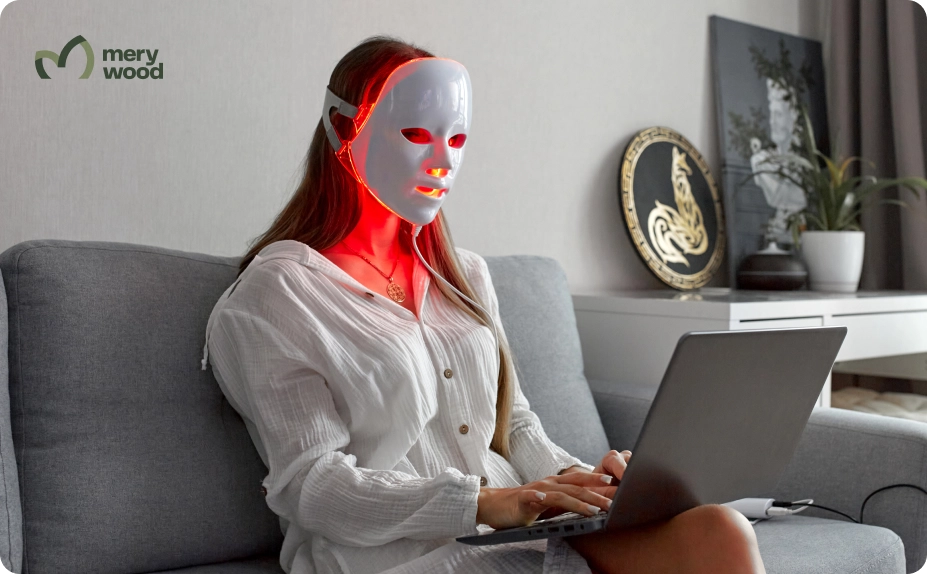
At the same time, product development is being influenced by device culture. Red light therapy is a good example. Home-use devices are not replacing topical skincare, but they are shaping what consumers expect from the surrounding routine. When someone invests in a red light mask, they often start looking for serums and creams that promise collagen support, calming benefits, or hydration that fits the same ritual.
There is also a clear rise in post-procedure care. As more consumers try clinic services, demand is rising for recovery serums, balms, and creams designed for skin after in-office work. These formulas need thoughtful textures, careful ingredient choices, and restrained claims.
Why body care is finally catching up
Body care is finally catching up to facial skincare. That is one of the most commercially relevant shifts for B2B buyers because it expands the product map far beyond the face.
Instead of basic lotion alone, brands are building more advanced body lines with exfoliating acids, peptides, niacinamide, calming ingredients, and barrier lipids. In other words, body products are now borrowing the logic of face care and becoming more strategic beauty products in their own right.
The numbers back this up: according to Circana, sales of prestige body serums in Europe grew by 42% between January and August 2025 versus the same period in 2024, while body oils were up 12%. Euromonitor now forecasts 6.4% growth for body care globally in 2026 — in a category already worth around USD 22.3 billion.
This shift is being driven by a few practical realities:
- Consumers want the same level of care for the body as they do for the face
- Body-focused hydration and texture concerns are easy to communicate
- Self care positioning makes the category emotionally appealing
- Body SKUs can help a brand grow average order value faster than face care alone
Key Point: For many brands, body care is no longer a side category. It is one of the smartest ways to expand without losing focus.
Scalp, hair, and skincare-meets-makeup
The same logic is reaching scalp and hair categories. Buyers increasingly view scalp care as a skin issue, which makes exfoliating tonics, calming serums, and microbiome-friendly formulas more attractive.
There is also spillover into makeup. While this article is about skin care, it is clear that many consumers want formulas that blur the line between skincare and makeup. They want better skin feel, more flexible finishes, and products that complement natural-looking skin rather than covering everything. That is why skin-forward tints, glow primers, and hybrid complexion products keep appearing across both skincare and beauty collections.
Sustainability and packaging: the quiet line item that shapes 2026 launches
No serious conversation about 2026 skincare trends is complete without packaging. This is where B2B decisions are increasingly won or lost, even when the formula itself is strong.
The pressure comes from three directions at once. Consumers expect it: a Q4 2025 GlobalData survey of 22,613 shoppers across 42 countries found that 74% consider sustainable attributes essential or nice-to-have, and 73% actively look for products that reduce packaging waste. Regulators require it: the EU Packaging and Packaging Waste Regulation (EUR 2025/40) starts applying broadly from August 2026, tightening recyclability, material minimization, and Extended Producer Responsibility fees. And retailers prioritize it: shelf space in major chains increasingly goes to brands with credible sustainability stories.
The stakes are real. Industry estimates suggest roughly 95% of cosmetic packaging ends up in landfill, and the sector generates more than 120 billion packaging units per year. Against that backdrop, three packaging directions are gaining commercial traction in 2026:
- Refillable systems — still uneven in adoption, but growing fast in prestige. Refill-compatible products have added more than £200m in sales since 2021 in the UK alone (British Beauty Council / Circana).
- Mono-material designs — pumps, tubes, and airless systems built from a single polymer family, which simplifies recycling and aligns with upcoming EPR rules.
- Aluminum and PCR plastics — adopted by brands like Dieux, Experiment Beauty, Grown Alchemist, and expanded by L’Oréal, LVMH, and others across their lines.
For founders and distributors, the takeaway is practical. A beautiful formula in a non-compliant or non-recyclable pack is a launch risk, not a launch asset. Packaging questions should enter the brief at the same stage as ingredient selection — not at the end.
10 market examples behind 2026 skincare trends
To see how these trends translate into real products, it helps to look at selected market examples. The products below show how brands are turning key 2026 directions — from barrier repair and upgraded vitamin C to regenerative concepts, K-beauty formats, and body “skinification” — into commercially clear launches.
How skin care brands should respond to the trend
The smartest response to this market is not to chase every viral product. It is to build a portfolio around a few trend directions that already show growing demand and enough evidence of continued growth.
7 product opportunities for skin care brands in 2026
- Barrier-led serums and creams
- Peptide and beta glucan treatments
- Upgraded vitamin C formulas
- Clinic-adjacent post-procedure care
- Sun care with modern texture and strong daily appeal
- Body care with facial-style ingredients
- Selective biotech concepts with disciplined positioning
This is where B2B strategy matters. A good launch is not just about trend language. It is about choosing the right segment, the right formula architecture, the right ingredients, and the right margin structure.
What to ask a manufacturing partner
A good manufacturer should not just repeat trend language. They should be able to explain why a concept makes sense, where the formulation risks are, and how to balance marketing with compliance.
7 areas to check when evaluating a manufacturing partner
- Ingredient screening and documentation
- Texture development for a specific target market
- Stable formulas with strong hydration and sensory performance
- Packaging compatibility and shelf-life planning
- Claim discipline for advanced or clinic-adjacent products
- Development paths for both prestige and mass market lines
- Formulas suitable for sensitive users, especially those who want fragrance-free options
This is particularly important in categories like biotech skincare, regenerative skincare, and clinic-inspired care, where claims can easily become too aggressive. Some brands also bring in a board-certified dermatologist to review concepts or claims before launch, especially when the positioning touches sensitive skin, procedure recovery, or stronger efficacy language.

Final take for brands planning 2026 launches
For B2B buyers, the opportunity in 2026 is not to copy every passing trend. It is to develop products with the right balance of efficacy, texture, compliance, cost control, and brand logic — and to do it with a partner who understands both the formulation science and the commercial reality.
That is where Merywood fits in. We support white label, private label, and full contract manufacturing projects — from early-stage formulation briefs through stability testing, claim validation, and production scaling for both prestige and mass-market launches.
Planning a 2026 launch? Here is how to start:
- Book a free formulation consultation. Our team will review your concept, flag feasibility risks early, and suggest the cleanest path to a commercially viable product.
- Request a sample kit from our reference formulas to benchmark texture and performance before committing to a custom brief.
- Talk to us about timelines. Most 2026 holiday launches need to be in formulation review by Q2. The earlier we start, the more room there is to optimize cost, sensory, and claims.
Contact Merywood today and turn a fast-moving trend into a launch-ready product
FAQ
What are the most important skincare trends in 2026?
The most important current skincare trends are barrier support, simplified routines, premium-but-practical biotech storytelling, upgraded sun care, body care expansion, and products inspired by post-treatment needs. These are the trends with the clearest commercial logic for B2B development.
Which trending skincare ingredients make the most sense for new launches?
The most useful trending skincare ingredients for 2026 include peptides, beta glucan, stable vitamin C, soothing barrier-supportive systems, selected growth factors, and carefully positioned plant-derived exosomes or skin booster concepts.
Is Korean beauty still leading product development?
Yes. Korean beauty (k beauty, and Korean skincare) still influence texture, product format, and consumer expectations. Their biggest strengths are speed, education, and elegant formulations that make trend concepts easier to buy.
Are regenerative skincare and biotech skincare worth pursuing?
Yes, but with discipline. Regenerative skincare and biotech skincare are exciting, but they need careful sourcing, realistic claims, and a strong understanding of safety and compliance. Not every concept is ready for a broad launch.
Which trending face products are gaining traction fastest?
Barrier serums, calming creams, modern SPF, post-procedure balms, peptide-based treatments, and products linked to red light therapy routines are among the trending face products with the strongest momentum.
Are clean beauty and conscious beauty still relevant?
Yes, but the framing has changed. Clean beauty and conscious beauty still matter, yet buyers now want more than simple free-from messaging. They want ingredient transparency, better tolerance, and formulas that feel both modern and responsible.
Why are more brands investing in body care?
Because body care is easier to expand, easy to explain to consumers, and aligned with the wider self care trend. It also gives brands room to grow beyond the face without losing relevance.